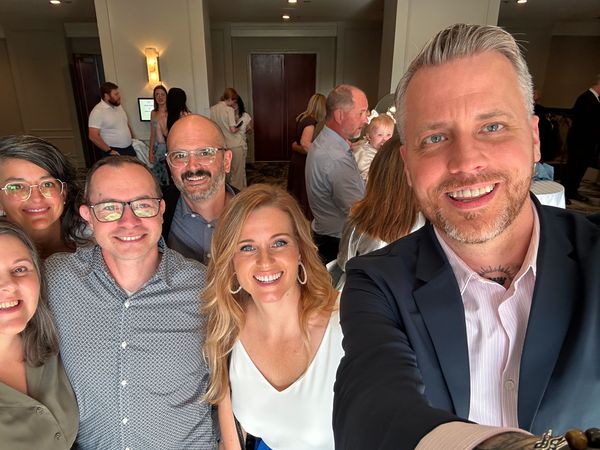
Referrals start with someone who knows and trusts you
When someone says, "We need somebody to come in and help us with this," the person they ask may know you. If they know and trust you, they may refer you.
That's how my work came in. For over eight years, I consulted and ran a full-service agency, 20/20 Digital, and I did no cold outreach. No cold emails or selling of services. All the work came through referrals and relationships. When I first went out on my own, I didn't have a website for four years.
I discussed that with Dalene Allen on her podcast, Network = Networth. What built it was showing up, being helpful, and not expecting anything in return. That builds trust and confidence, and it's been a critical driver for me.
It works both ways. Not every project that comes across my desk is a good fit for me, so I refer people on as well.
Coffee chats are where I get to know people and their stories
In 2025, I set a goal to have as many meaningful one-on-one coffee chats as possible with people I found interesting. I broke my record from the year before, ending the year with 34. These were real conversations, and 95% of them were in person. Each one was a chance to learn a person's story and see where I could be helpful.
A network isn't meant to be transactional. It's meant to surround you with people you find interesting and enjoy spending time with. The world already has enough transactional relationships.
Two goals keep a networking event manageable
My aim is to attend one networking event a month, or one every two months, depending on what's coming up. I go in managing my expectations, with two goals:
- Reconnect with someone I have an established relationship with but haven't seen in a while.
- Have one new, meaningful conversation with someone I don't know. Listen more than I speak, ask questions, learn about them, and think about who I could introduce them to.
There's something special about being in a room with real people. You can feel the energy and read the body language. Afterward, I follow up: check in, ask how things are going, and mention the thing we talked about that I really enjoyed.
Not everyone is comfortable doing that right away. A good starting point is to attend a few events and observe how interactions unfold. When you're comfortable, have one conversation. Reconnect with someone, or bring a wing person so you have at least one person to talk to. Then build from there.
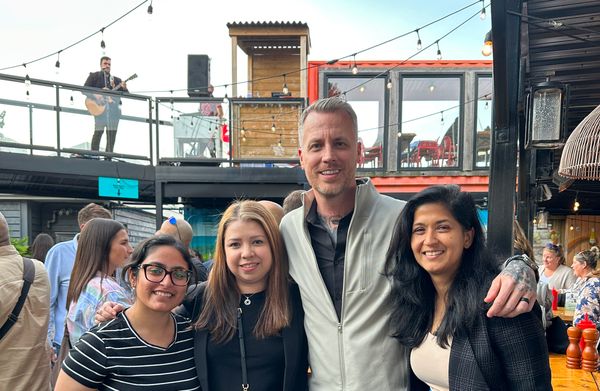
The Mixers Club brought early-stage entrepreneurs around a table
Right before and during the pandemic, we started a small group for people in the early stages of entrepreneurship, called the Mixers Club. The idea was to bring people around a table, share a meal, and build community without expectations, while being of service to everyone in the group.
I don't get to as many of those dinners anymore. The giving mindset is still what people remember.
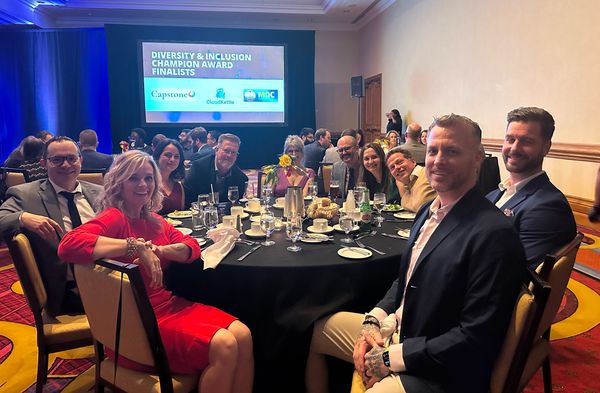
Checking back through old messages keeps relationships going
Something as simple as going back through my text messages helps. I'll see when I last had a conversation with someone, then reach out: "Hey, how are you doing? Do you have time for a coffee chat? I'd love to learn what you're up to and how I can help."
In December 2025, I did that with a few colleagues I hadn't connected with in a while. One of my last networking events of the year was a chance to reconnect with them in person, and since then, we've been working on ways to be more active in each other's lives.
The same goes for the teams I've worked with. I worked with one team for several years, and we built a personal relationship along the way. We hadn't worked together for several months, but I still check in on how they and their families are doing, and they're always eager to catch up. They were one of my first coffee chats of the new year. We didn't talk business. We talked about the kids, the family, and what they were excited about that year.
It's okay to outgrow some relationships
Over the years, as I grew my consulting business, I realized you do outgrow some relationships, and that's okay.
At one point, I was connected on Facebook with everyone I went to middle school and high school with. Most of them weren't people I actually had conversations with, or could text or call. I got comfortable making space for meaningful conversations instead. It became less of a numbers game and more about specific, intentional relationships.
I give everyone the same energy, from CEOs to people new to the community
Whether I'm speaking with the CEO of a large, high-performing company, someone reentering the workforce, or someone new to our community, I give the same energy, respect, and time. What I've found is that I get it back.
There's one person I've had a great relationship with over the years. We don't always have time to connect, but out of the blue they'll send me a note saying they enjoyed our last conversation and that one thing stuck with them. It always brings a huge smile to my face.
Ways to build relationships that last
Everyone's situation is a little different. What has worked for me is managing my expectations and having as many meaningful in-person conversations as I can.
-
Show up and be helpful without expecting anything. Trust comes first, and referrals follow.
-
Set a goal for meaningful conversations. Count the people whose stories you learned, not the contacts you collected.
-
Go to events with two goals. Reconnect with one person you know, and have one new conversation where you listen more than you speak.
-
Follow up on what you talked about. A short check-in that references something from the conversation keeps it going.
-
Reach out to people you haven't heard from in a while. Your message history shows who it's been too long with.
-
Refer work that isn't a fit. It's part of the same trust.