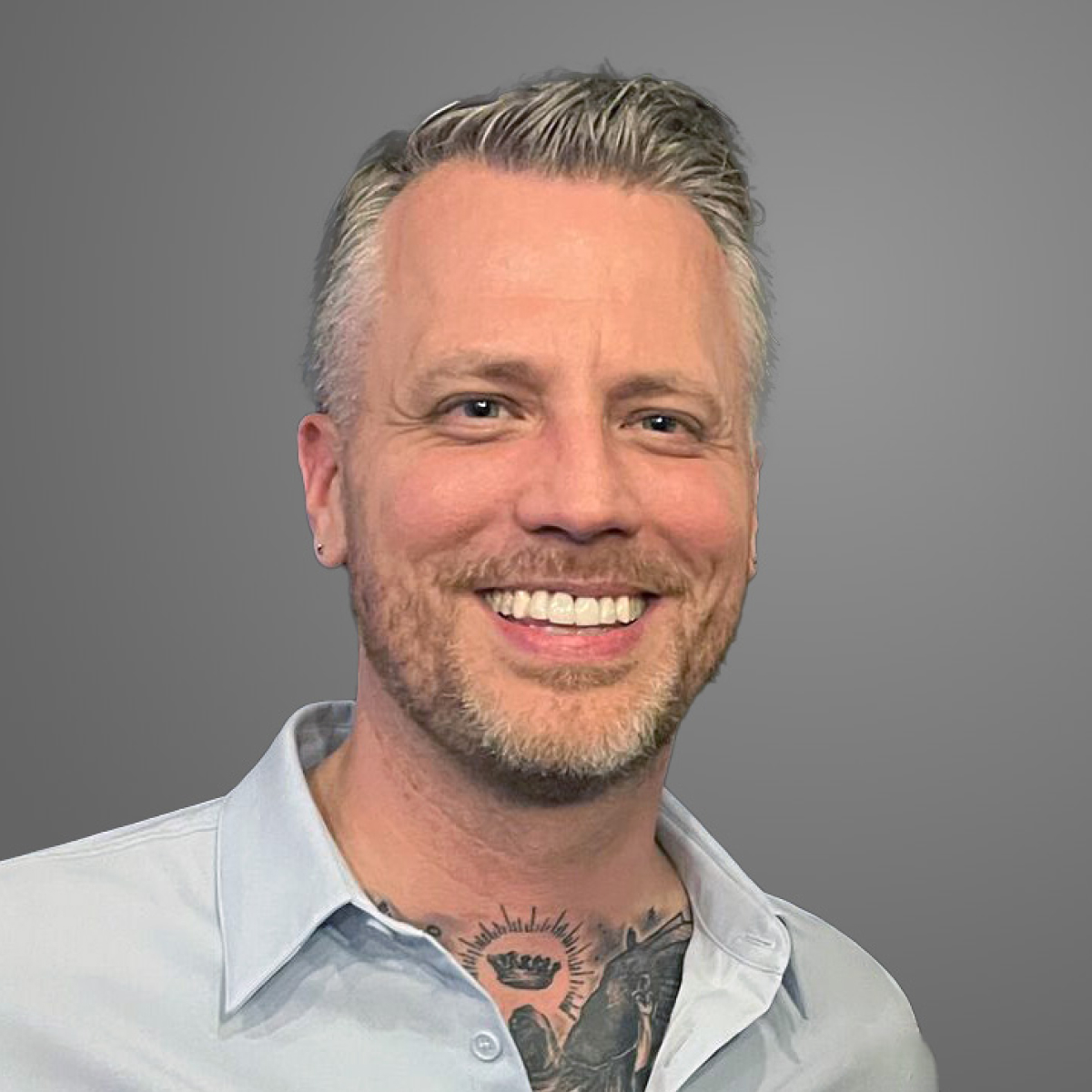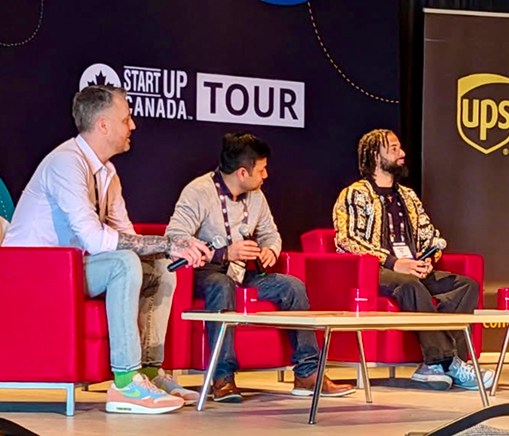
I sat on a panel of men answering questions women get asked
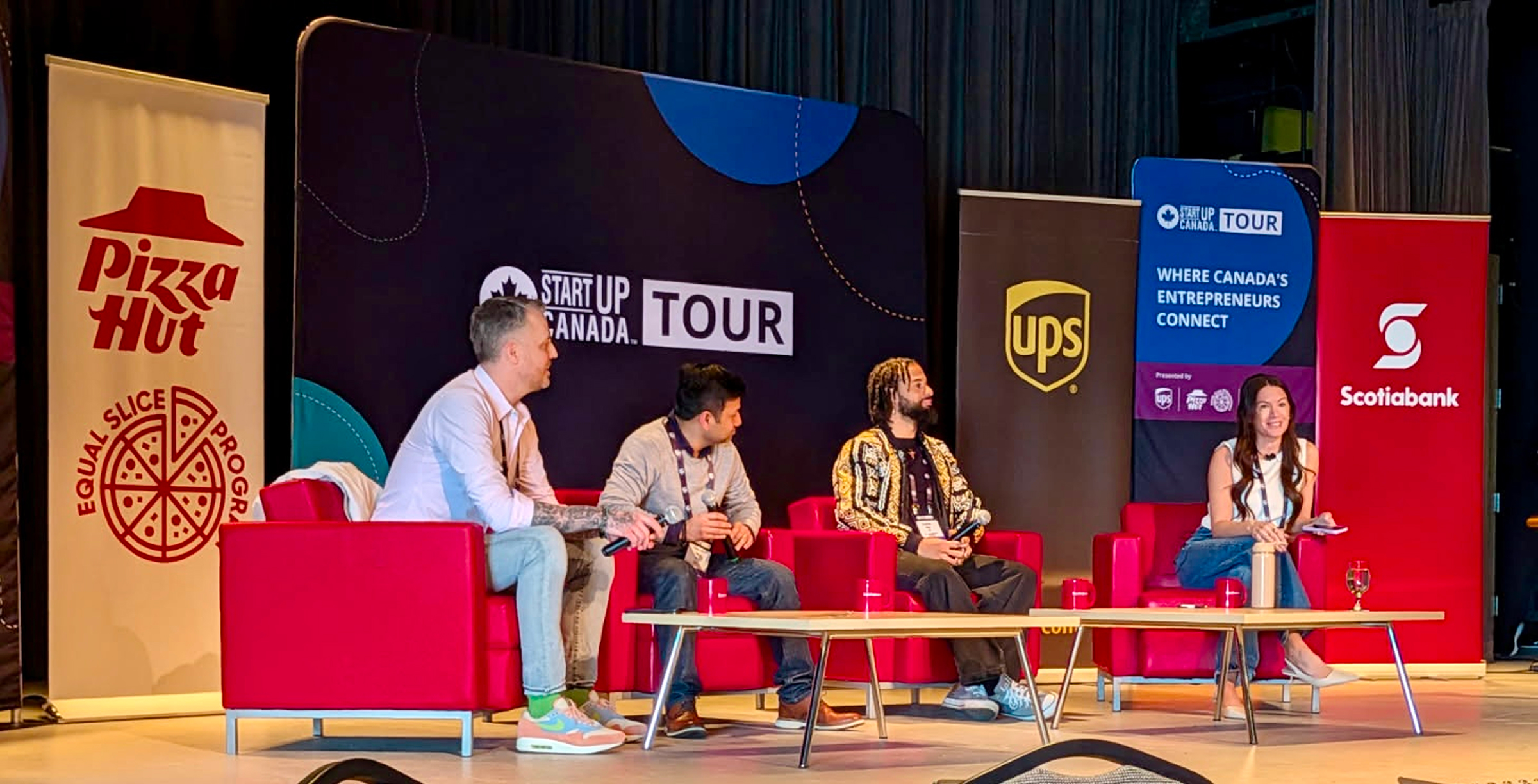
The panel ran at the Startup Canada Tour stop in Halifax. April Hicke of Toast moderated, and I sat alongside Tapajyoti (Tukan) Das and Bradley Daye.
April put real questions that women in tech have been asked in job interviews and founder pitches to a panel of men, in front of a room.
The framing was tongue-in-cheek, and the questions did the heavier work. By the end, the conversation had moved to what men can do to show up for women in tech.
It was my first panel of this kind, and I said yes because I wanted to sit in the discomfort, even briefly.
I'd heard these questions for years and never answered one
Women colleagues had been telling me versions of these questions for years, and I never once had to answer one.
Two of the questions I was asked on stage:
"Who's watching your kids while you're here?"
"What does your wife think about you starting your own business? Will she support you if things get tough?"
Melissa read the questions back to me
The night before the panel, Melissa, my wife, went through the questions with me. We've had versions of this conversation before, so none of it was new information.
What was different was hearing her attach a specific question to a specific moment in her own career. On paper, the questions read as unfair. Coming back to me in her voice, they read as things that happened to her.
Having the questions in advance was worth very little
I've given a number of talks and workshops over the years, and I usually walk in confident because I know the subject. On stage, none of that applied. The questions were harder live than they'd been the night before, and I didn't have an answer to most of them. That's the whole point of the format. I've never had to answer questions like these, and it had never crossed my mind to ask them.
Knowing the questions in advance did nothing for me on the day. I still can't get past the fact that someone sat across a table and asked them.
I wrote about it, and people told me what they'd been asked
I took a day, then wrote about the panel on LinkedIn. A lot of people replied, and much of what came back wasn't about the panel at all. People were telling me what they'd been asked.
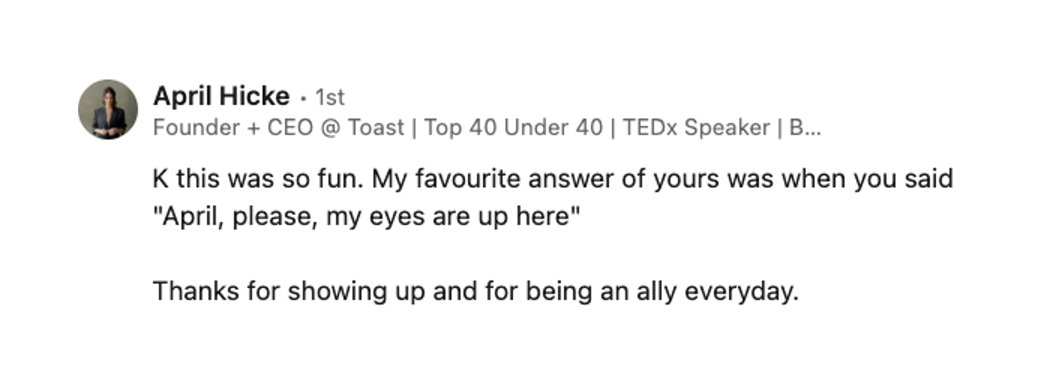
Fran Watson shared that she was hired at 19 and was told plainly that it was because of her legs. She asked whether I'd ever been told the same. I haven't.
Oksana Zaiets added that in her experience, this kind of conversation is rare. That landed harder than the panel did. The questions are common, but saying them out loud in a room full of men is not.
A fair interview process tells me nothing about what a candidate carried in
Here's what I came away with, and it has nothing to do with the panel format.
I can write my interview questions carefully, run a fair process, check for the obvious problems, and still have no idea what a candidate walked through to get into the room.
A good interview process is a guide for my side of the table. It tells me almost nothing about what the person across from me is carrying.
Nothing in it tells me what they've already been asked, or how recently. Nothing tells me what they arranged that morning to be in the room at all. The moments Melissa could attach to specific questions don't appear on a resume, and no candidate volunteers them to a stranger who is assessing them.
By the time someone reaches an interview, they have a working theory about how these conversations go, built out of every one that came before. I'm being read against all of them, and I don't get to see that scoring.
I still ask questions from the easier side of the table
None of that is fixable by writing better questions. That was the part I got wrong for a long time. I treated a careful process as the finished job, when a careful process is only the part I can see.
I'm not sitting on hiring panels now. Most of my questions get asked in research sessions and workshops. I still write the questions, and I still ask them from the side of the table with less at stake.
What I ask now isn't whether a question is fair, but who it's easy for. The cost is invisible from my side of the table unless I go looking for it.
I didn't see the point of saying it out loud
Melissa once asked me whether I was going to post something for International Women's Day on LinkedIn. I told her I didn't see the point, since my support for women was never in question.
She made a version of the same point in the comments on my panel post. Support nobody hears does less than support that gets said out loud, and the people who need to hear it are the other men. Jiggs Bonafe, replying to the same post, put it another way: support can matter most when it comes from people who aren't usually asked these questions.
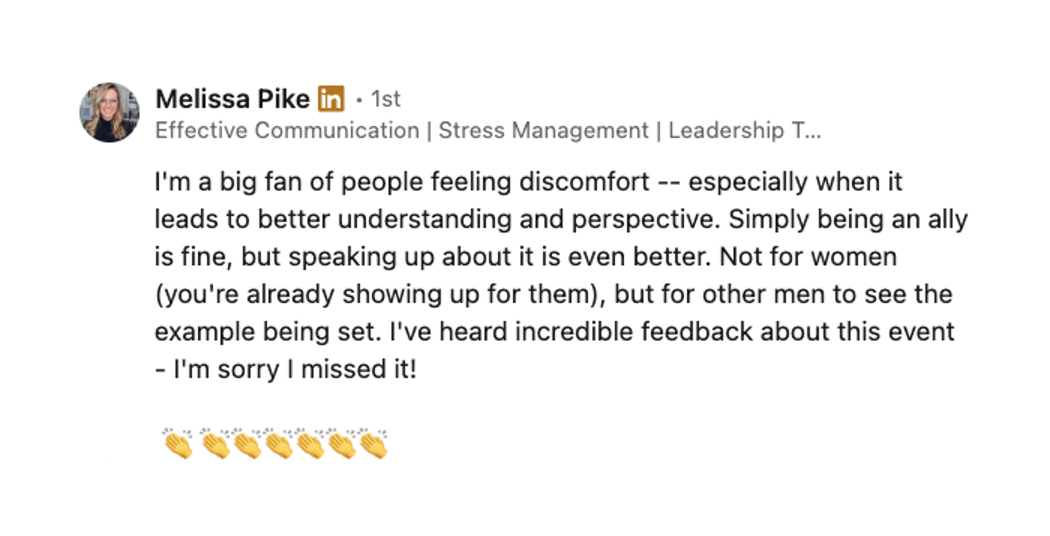
That's why I posted about the panel, and that's why I've written this.
To the women colleagues who have shared their experience with me over the years, thank you for your trust. Everything useful I know about this came from someone telling me.
Writing this hasn't given me good answers to those two questions. What I have now is a clearer sense of what it takes to answer them over and over, in rooms where nobody has framed them as a format.